

Reinforcement Learning Is Not Just for Games — Here’s Where It’s Changing the Real World
Discover How Reinforcement Learning is Transforming Industries Beyond Gaming

1. Introduction: RL Beyond the Controller
When most people hear “Reinforcement Learning,” they think of famous game victories — like how AlphaGo defeated the world’s best Go players, or how AI mastered Dota 2 and Atari.
But RL is no longer just about winning digital battles. It’s quietly reshaping industries — from healthcare and self-driving cars to personalized learning and smart factories. What makes RL special is its ability to learn through interaction and experience, much like humans.
In this post, we’ll explore how RL works in simple terms and how it’s being applied in the real world to solve high-impact problems.
2. What Exactly Is Reinforcement Learning? (The Simple Way)
Reinforcement learning is a type of machine learning where an agent learns to make decisions by interacting with an environment. Every action it takes leads to a reward or penalty, and over time it learns the best strategy to achieve its goal.
Think of training a dog: when it performs the right trick, you give it a treat. In RL, algorithms work in a similar way — they get “treats” (rewards) for good decisions.
Basic RL Loop:
Agent → takes Action → Environment → gives Reward → Agent learns and improves
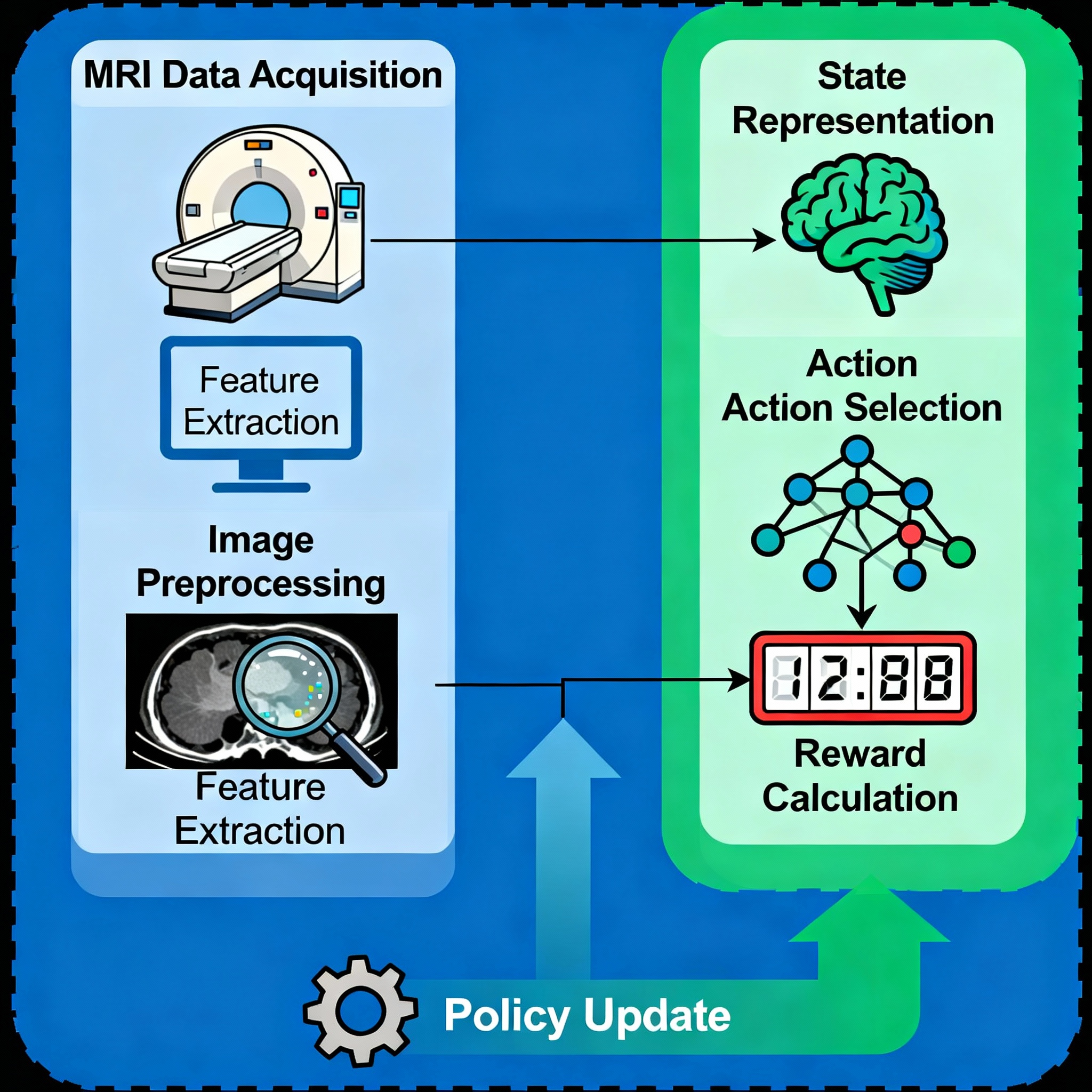
Unlike supervised learning (which learns from labeled data), RL learns by doing — making it ideal for complex, dynamic problems.
3. RL vs Other Types of Learning
| Feature | Supervised Learning | Unsupervised Learning | Reinforcement Learning |
| Data | Labeled | Unlabeled | Reward-based feedback |
| Learning Style | Pattern recognition | Structure discovery | Trial and error + optimization |
| Best for | Classification, regression | Clustering, dimensionality | Sequential decision-making |
| Example | Spam filter | Market segmentation | Self-driving car navigation |
Why it matters: RL can make decisions over time, not just one-shot predictions.
4. Real-World Applications of RL (Beyond Gaming)
a. Autonomous Vehicles
RL helps vehicles make split-second decisions — when to brake, accelerate, or switch lanes — based on their surroundings.
Example: Waymo and Tesla use RL strategies to improve driving policies over time.
b. Robotics & Industrial Automation
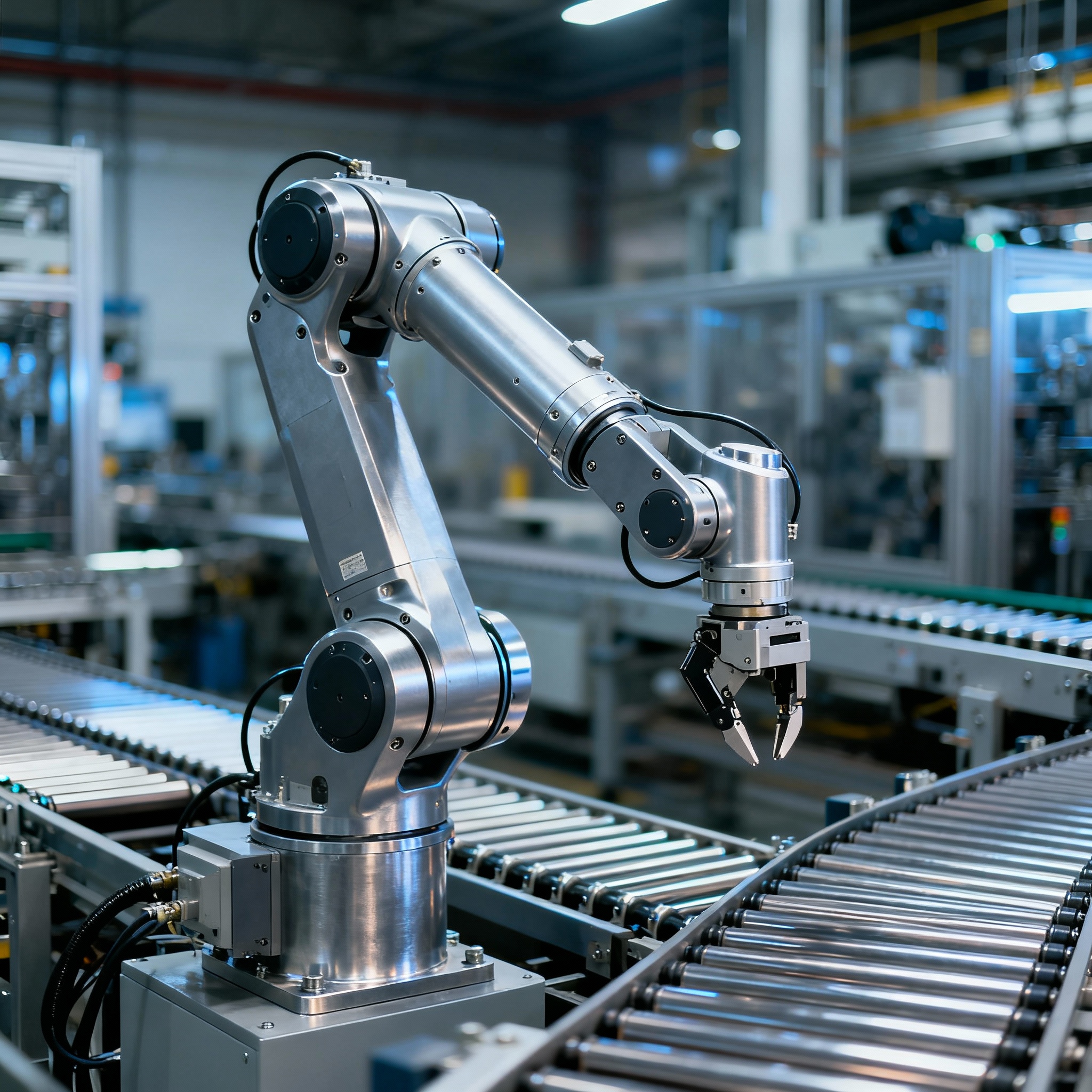
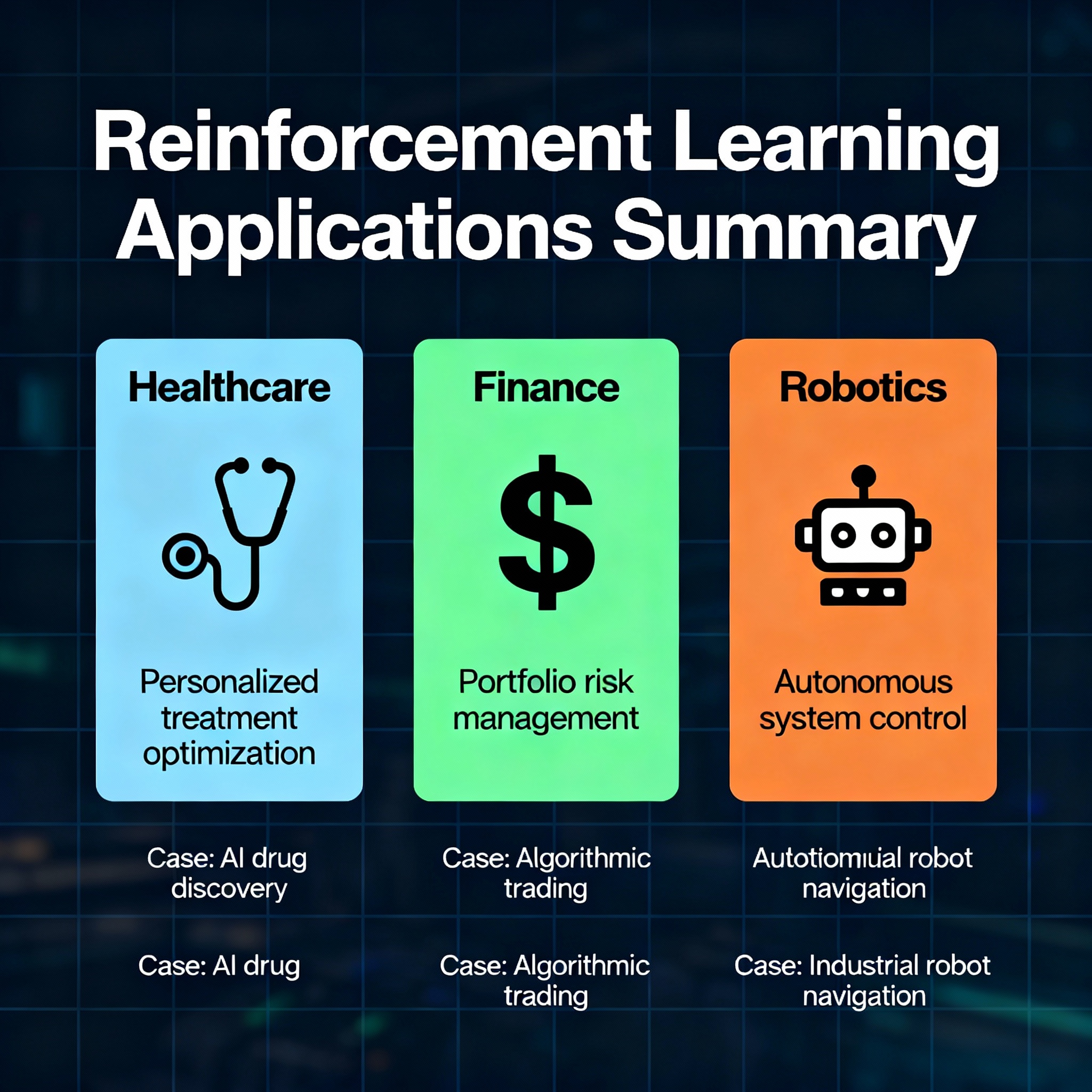
Robots use RL to learn how to grasp objects, assemble parts, or navigate unknown environments without needing every scenario pre-programmed.
It makes robots adaptive and flexible in changing conditions.
c. Smart Manufacturing
Factories use RL to optimize energy consumption, schedule maintenance, and manage supply chains efficiently.
Instead of fixed routines, the system learns the best workflow through feedback.
d. Healthcare & Medical Decision-Making
RL assists in designing personalized treatment plans and drug discovery pipelines.
For example, adaptive dosing systems in ICUs can make real-time decisions for patient care.
e. Recommendation Systems & Finance
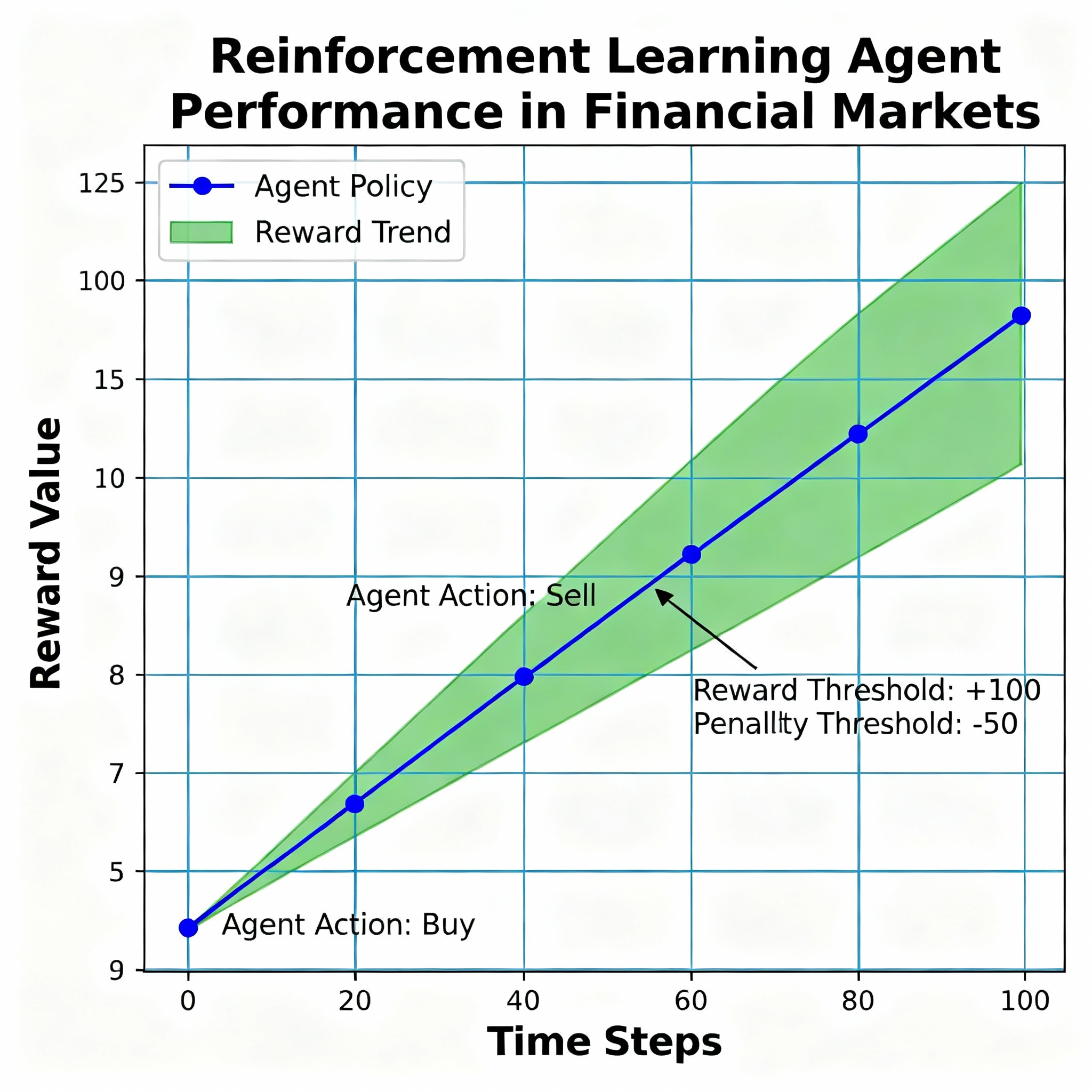
Streaming platforms and financial systems use RL to continuously improve what to recommend or how to invest based on evolving user behavior and market signals.
f. NLP & AI Assistants
Modern language models use RLHF (Reinforcement Learning from Human Feedback) to align their behavior with human preferences, making conversations more natural and safe.
5. Why RL Works So Well in These Areas
Adaptability: RL agents can adjust strategies in real time.
Long-Term Optimization: Instead of focusing only on instant rewards, RL plans for future outcomes.
Self-Improvement: The more it interacts, the better it gets.
Handling Uncertainty: Ideal for messy, real-world problems where conditions constantly change.
Example: In traffic, no two situations are identical — RL can learn how to respond intelligently over time.
6. Current Challenges of RL
While RL is powerful, it’s not perfect:
Data Hungry — Needs millions of interactions to learn effectively.
Expensive to Train — High compute and time costs.
Risk in Real Environments — Mistakes in healthcare or driving can be costly.
Ethical & Safety Concerns — Decision transparency and accountability matter in sensitive domains.
That’s why RL research focuses on safe exploration, simulation, and human feedback to make it practical and trustworthy.
7. The Future of RL Beyond Games
The next big wave of RL is happening outside of gaming:
RL + Robotics: Adaptive, human-friendly robots.
RL on Edge Devices: Smart drones, wearable health monitors.
RL + Language Models: More reliable AI assistants.
RL in Energy & Climate: Smarter grid management, resource optimization.
As RL continues to evolve, it’s becoming a core building block of intelligent systems. Soon, you might interact with RL-powered systems every day — often without even realizing it.
8. Conclusion
Reinforcement learning started as a way to teach machines to play games — but it’s growing far beyond that. From hospitals to highways, it’s making AI smarter, adaptive, and more human-like in how it learns.
Whether you’re an AI enthusiast, a student, or just curious about the future of tech, now is the perfect time to explore RL. The real world is its new playground.
Further Reading
If you’d like to dive deeper into how reinforcement learning is transforming industries, here are some excellent research papers and surveys:
Reinforcement Learning for Healthcare: A Survey — Doshi-Velez et al., 2020
A comprehensive overview of how RL is being applied to clinical decision-making, personalized treatments, and patient monitoring.Reinforcement Learning in Finance — Tsang et al., 2018
Explores RL applications in stock trading, portfolio management, and financial forecasting.Deep Reinforcement Learning for Robotic Manipulation — Levine et al., 2016
Influential paper showing how RL can train real-world robots to perform complex manipulation tasks.Deep Reinforcement Learning: An Overview — Li, 2018
An accessible, widely cited survey paper covering the fundamentals and progress of RL.A Comprehensive Survey on Reinforcement Learning: State of the Art and Progress — 2020
A modern review covering algorithms, benchmarks, and industrial applications.


